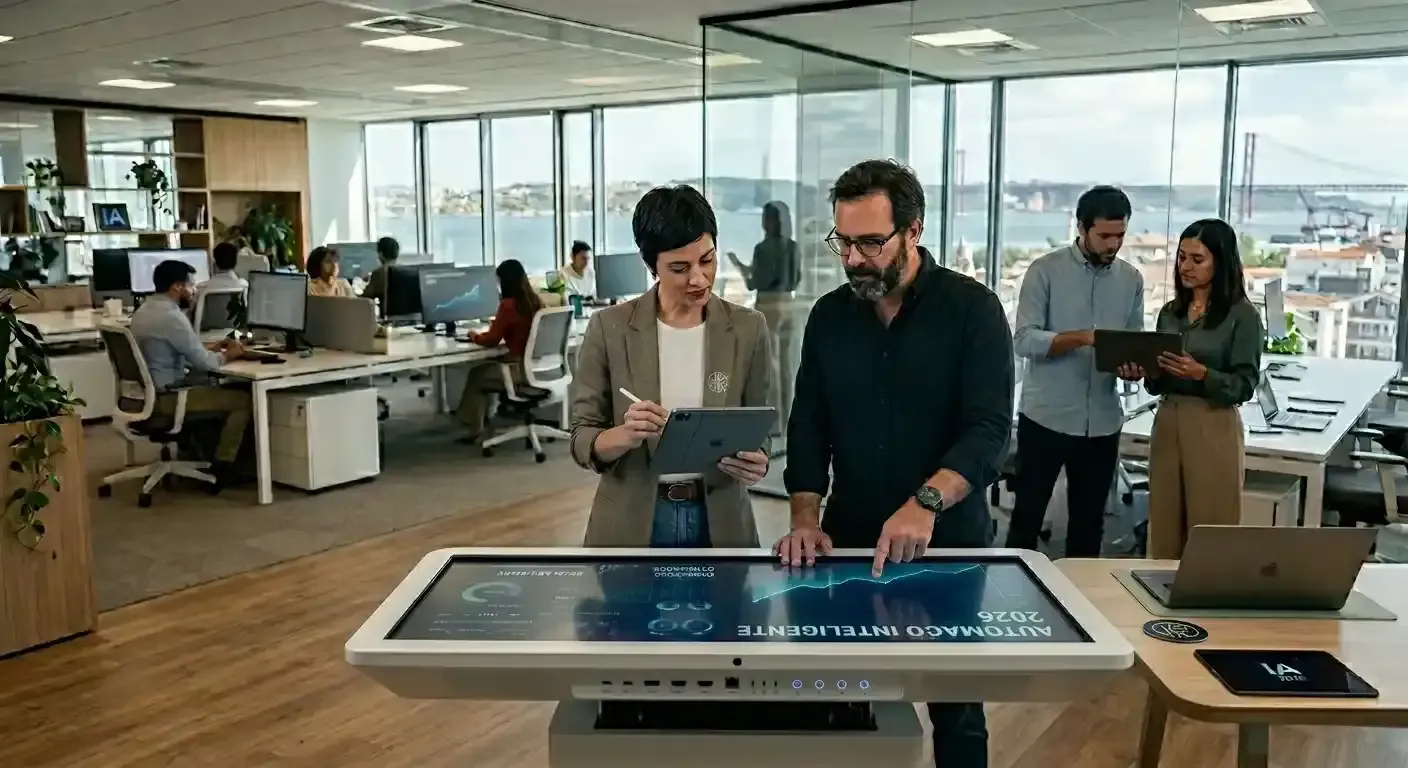



3 min read By Wolf Smart Industries

Artificial intelligence (AI) is evolving at a breathtaking pace, and looking ahead to 2026 no longer feels like science fiction but like a horizon that is very close. What we consider advanced today will be the baseline tomorrow. In 2026, we expect to see AI establish itself not merely as a niche tool, but as a fundamental pillar of almost every sector of our society and economy. Anticipating this is crucial if businesses and individuals are to prepare for the changes ahead, from the way we work to how we interact with technology in our everyday lives.
AI in 2026: What to Expect?
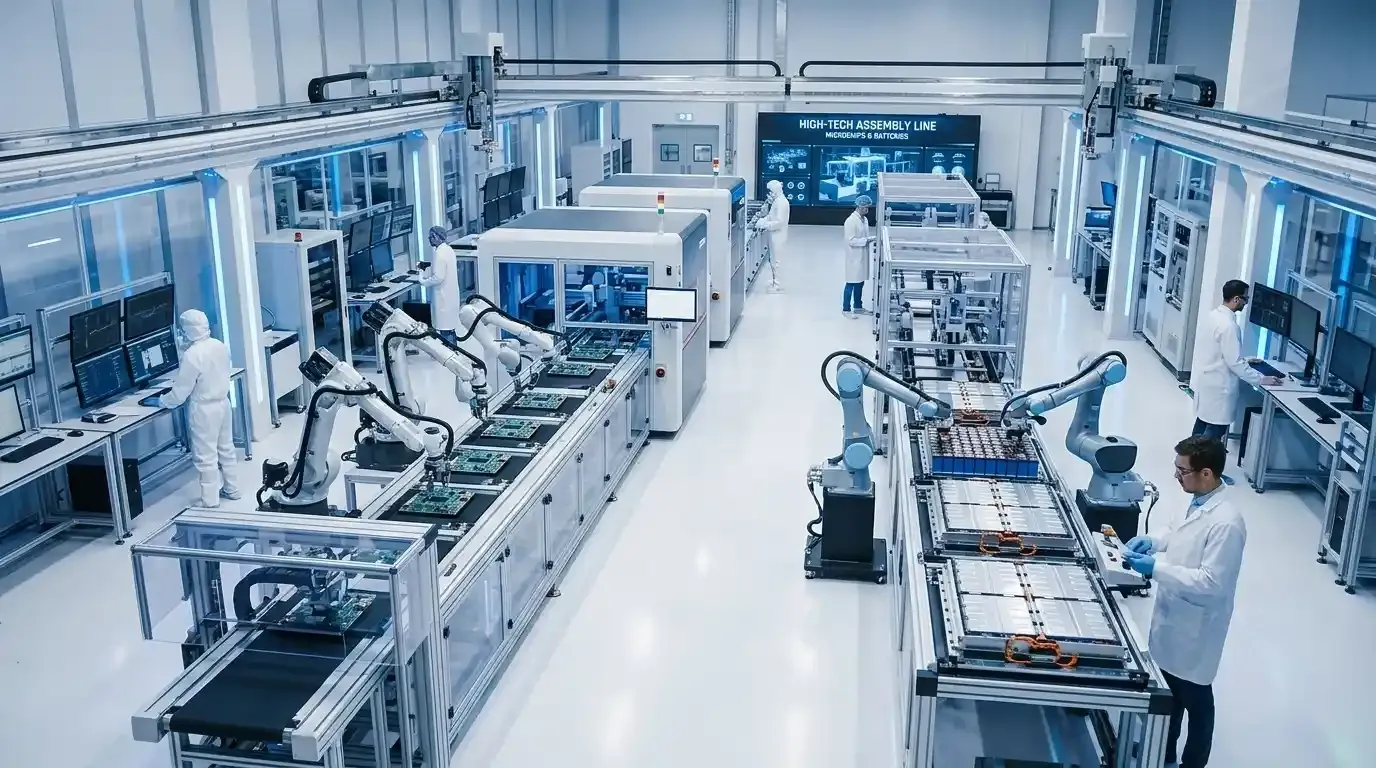
In 2026, AI-driven personalisation will reach levels never seen before. Large language models (LLMs) will be far more contextual and efficient, enabling digital assistants that not only answer questions but anticipate needs with remarkable accuracy. Expect to see AI integrated almost invisibly into productivity software, carrying out complex tasks – such as preparing detailed financial reports or optimising supply chain management – autonomously, with only occasional human supervision.
Reasoning ability and multimodality will be the main highlights. The AI systems of 2026 will not be limited to text or images: they will process and connect voice, video, sensor and operational data in real time to make more robust decisions. This will be particularly evident in healthcare, where AI-assisted diagnosis will become standard, analysing complex scans and tests and suggesting highly individualised treatment plans with a reliability that will rival that of human specialists.
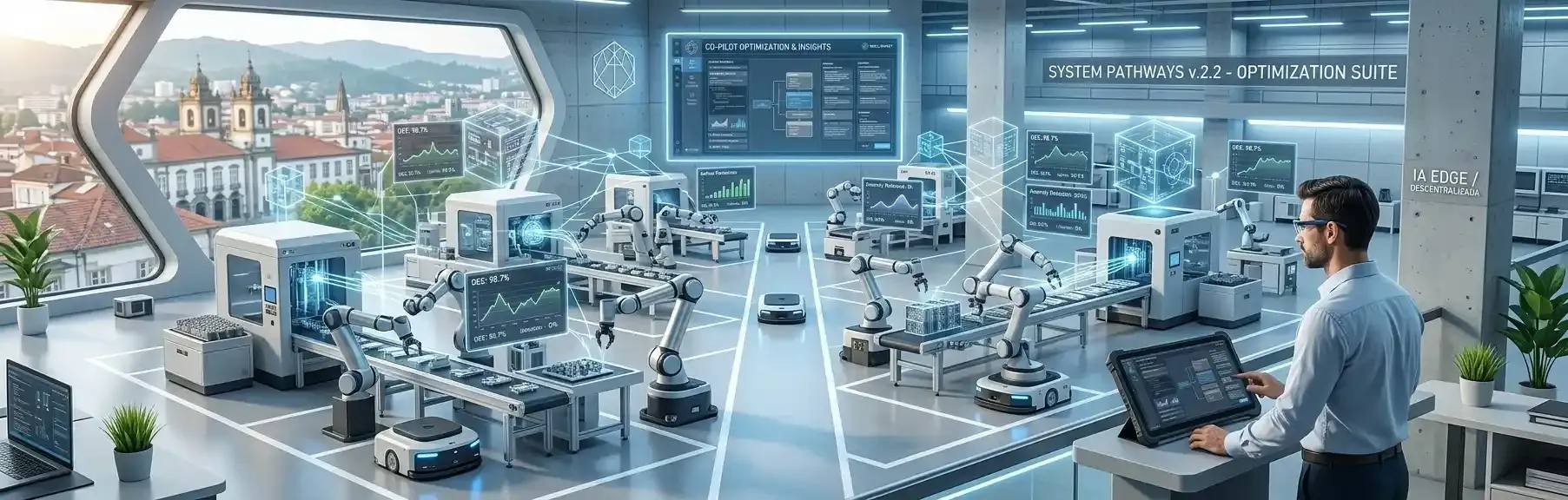
Another area of major development will be “Edge” AI and decentralisation. Instead of always relying on the cloud for intensive processing, we will see more intelligence running directly on local devices – smartphones, cars and industrial equipment. This means lower latency, greater privacy and the ability to operate in environments with limited connectivity, making AI truly ubiquitous and responsive in the physical world.
Future Trends and Impacts

One of the biggest trends will be the consolidation of Generative AI in regulated business environments. Initially there were concerns about security and compliance, but in 2026 we will see generative AI platforms that are “secure by design”, trained on internal data and auditable. This will allow sectors such as legal and finance to automate the production of complex documentation and risk analysis with much greater regulatory confidence.
The labour market will undergo significant restructuring. It will not simply be a matter of replacing repetitive tasks, but of the rise of AI “co-pilots” that dramatically increase the capabilities of creative and technical professionals. The need for “Prompt Engineering” skills will evolve into “AI Systems Management” skills, focused on how to audit, steer and integrate AI outputs into human workflows, with an emphasis on ethics and the critical interpretation of results.
Finally, international AI regulation will be a tangible reality in 2026. After years of debate, we will see clearer laws on liability, algorithmic transparency and the use of data. Although sometimes seen as an obstacle to innovation, this regulation will be essential to build the public trust needed for the mass adoption of AI systems in critical infrastructure. Companies that embrace transparency and ethics early on will have a competitive advantage in this new regulated landscape.
Looking ahead to 2026, AI is no longer a futuristic promise but essential infrastructure. Innovations in contextualisation, multimodal reasoning and the integration of Edge AI promise to radically transform productivity and decision-making in every sector. The challenge will not be merely technological, but human and regulatory: how can we integrate these powerful tools in a way that is ethical, safe and enhances, rather than diminishes, human capability? Preparing for these developments now is not optional; it is the key to thriving in the next digital era.
As a company recognised by the National Innovation Agency (ANI) and Startup Portugal, our commitment is to combine advanced code with practical results. We are ready to be the technology partner that takes your business to the next level of efficiency and innovation.